

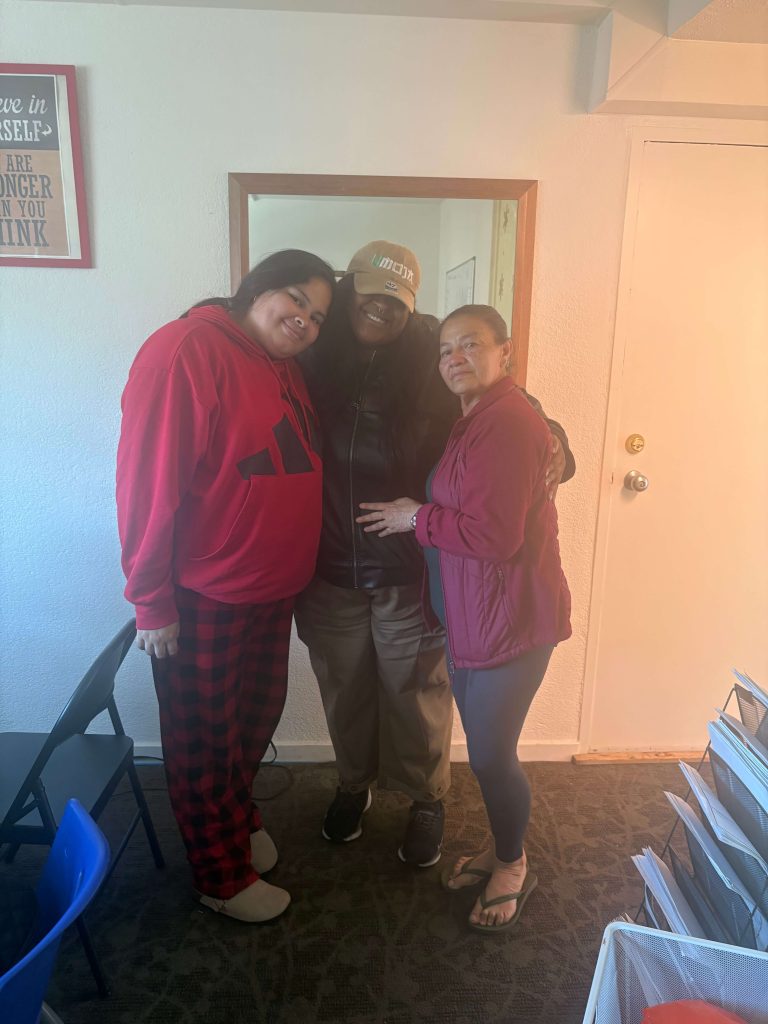
This family’s successful transition into permanent Section 8 housing demonstrates the impact of intensive case management, strong supervisory support, and persistent cross-system collaboration. What began as a standard housing search quickly evolved into a complex case requiring advocacy across multiple agencies to prevent Suaybi and her family from losing their housing opportunity and ensure they were matched with housing that appropriately met their medical and accessibility needs. Suaybi was a teen mother with her twins two girls who showed up when the babies were not even walking, now they are two years old her mother Doris was with her as well and this is their story.
I had first become aware of a potential Below Market Rate (BMR) housing opportunity on March 9, 2026, following a conversation with the family’s Housing Specialist, Sergio from Homeless Prenatal. Although I anticipated receiving additional information regarding the BMR unit, no follow-up communication was provided despite the housing process continuing behind the scenes.
On March 20, 2026, the Suaybi informed me that the family had learned of a larger BMR unit that would better accommodate their household of four, including Suaybi’s mother Doris, who has medical needs requiring appropriate living accommodations. During this conversation, I also discovered that updated information regarding the BMR opportunity had been available to the Housing Specialist since March 17 but had not been communicated to either the family or to me as their case manager.
The family explained they had been instructed to accept a 400-square-foot unit because they were told declining the offer would result in the loss of their housing voucher by April 10, 2026. While the unit technically met minimum program requirements, it was not appropriate for the household size or the documented medical needs of the Head of Household’s mother. Recognizing the potential risk of the family accepting unsuitable housing—or worse, losing their voucher entirely—I immediately consulted with my CM Supervisor Estela Ortiz to develop an advocacy plan.
Working together, we initiated extensive outreach and collaboration with all parties involved. This included maintaining ongoing communication with Catholic Charities, Homeless Prenatal Program, the Mayor’s Office of Housing and Community Development (MOHCD), Mission Economic Development Agency (MEDA) leasing representatives, property management, and Housing Navigator management. Through coordinated communication with MOHCD Project Manager Janisha Moore and leasing representative Jennifer, it was confirmed that the family remained in the screening process for the BMR unit and that additional units were potentially available within approximately one week.
At the same time, the Housing Specialist communicated that the originally approved unit could only be held until March 25, 2026, emphasizing that program rules required acceptance of the first approved unit and that failure to proceed could result in program exit. Given the significant medical concerns and the active BMR opportunity, the CM Supervisor Estela escalated the case directly to Housing Navigator Manager Randell Jackson to advocate for a housing extension. Manager Jackson advised that an extension could be considered if sufficient medical documentation demonstrated the family’s need for a more appropriate housing arrangement.
I immediately developed a coordinated action plan, updated the Family Success Plan, researched disability benefits, and began assisting Suaybi’s mother Doris with the SSI and CAPI application process after learning that SSI eligibility must first be determined before a CAPI application could move forward. Understanding the urgency, I personally accompanied Doris to multiple medical appointments to obtain the necessary disability documentation while also learning the benefits process firsthand to better advocate for the family.
Following the medical appointment on March 31, 2026, my supervisor and I submitted the physician’s letters to Housing Navigator Manager Randell Jackson in support of the extension request. The documentation was returned with a request for greater specificity regarding the medical necessity. Rather than allowing the process to stall, I immediately contacted the medical clinic, communicated exactly what information was needed, and coordinated directly with the provider. Doris returned to the clinic, the physician revised the documentation with clearer language, and we then proceeded to promptly resubmit the updated medical letters. Manager Jackson confirmed the revised documentation met the requested criteria and submitted the extension request to HSH for review.
Recognizing that the family’s disability benefits process would continue beyond shelter exit, I also researched long-term service providers and connected the family to Community Case Management (DAAS). This ensured seamless continuation of both the SSI/CAPI application process and Suaybi’s enrollment as an IHSS care provider for her mother, creating an additional pathway toward long-term household income and financial stability. Through all of this going on I also accompanied Suaybi to see her CalWorks worker due to unresponsive communication, about getting her recertification done so she won’t lose her benefits.However, after countless emails I decided we would go up to the office and speak to her social worker supervisor about what has transpired. Furthermore, that day everything was handled and Suaybi made an appointment to do the recertification and communication was a lot better moving forward after the meeting with the social worker and his supervisor. Result Suaybi was able to keep her benefits active.
Throughout the housing search and this process as well, Estela and I maintained weekly communication with all involved agencies, consistently following up, escalating concerns, clarifying program requirements, and ensuring that critical information was shared among partners. This level of persistence ultimately resulted in the family receiving a housing extension, preserving their housing opportunity while allowing the BMR process to continue. The family later received two housing offers and was able to choose the option that best met their needs—a permanent Section 8 housing unit that provides long-term stability.
Beyond housing advocacy, I continued supporting the family through move-in planning by securing furniture assistance, coordinating low-cost Wi-Fi services, and advocating for professional moving assistance through Lugg due to the family’s inability to complete the move independently. This successful coordination helped establish a new moving resource that can now benefit future Oasis families facing similar barriers.
During the family’s exit, they expressed sincere appreciation for the advocacy provided by me and Estela as well as the Oasis staff. They shared that they felt heard, respected, and genuinely supported throughout one of the most stressful periods of their lives. Their successful transition into permanent housing reflects the impact of persistent advocacy, strong supervision, cross-system collaboration, and a commitment to ensuring families receive housing that is not only available, but appropriate, sustainable, and supportive of their long-term well-being.